How to Spot Real Banarasi Brocade Fabric and Skip the Fakes?
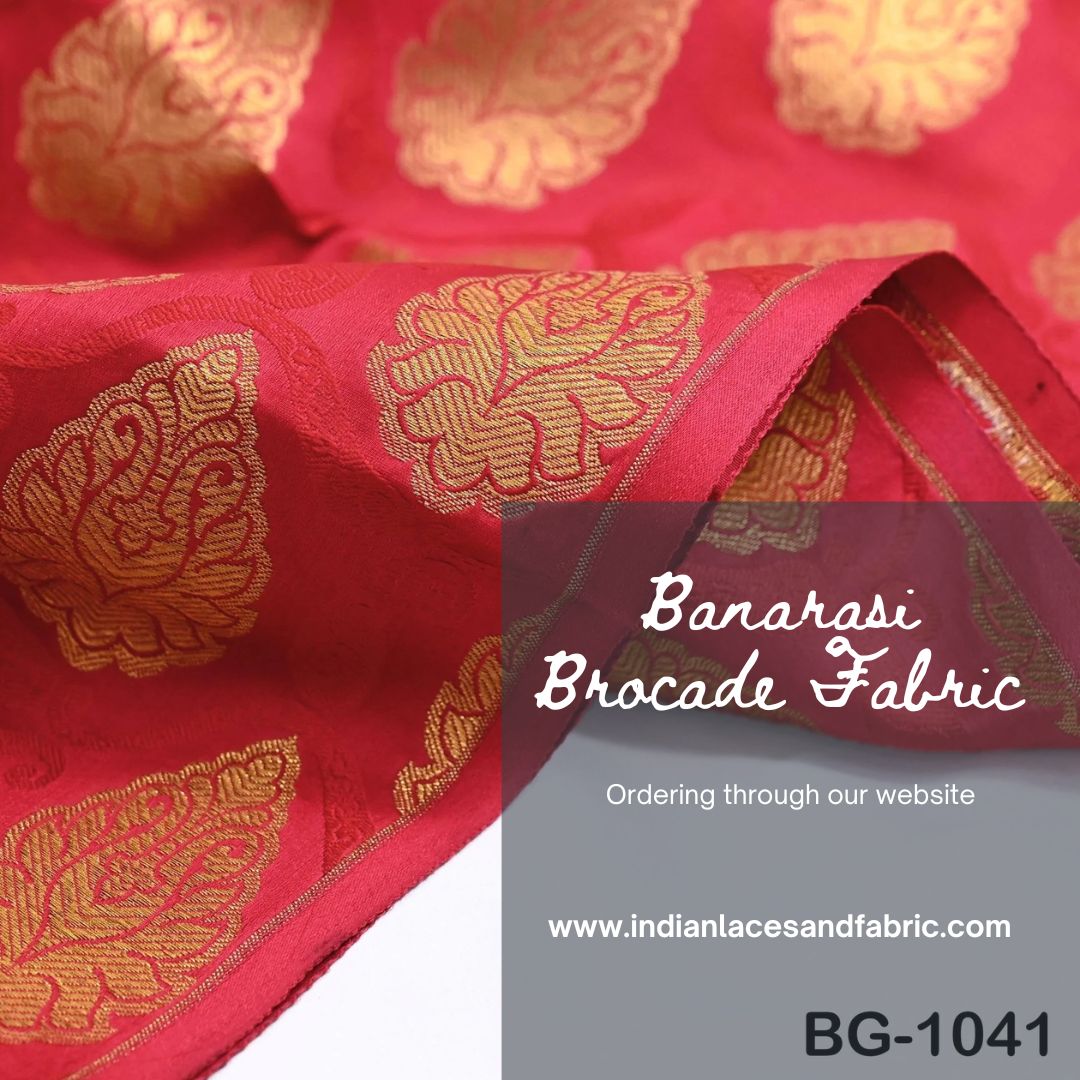
Banarasi brocade is one of India’s most revered fabrics. Its luxurious weave, intricate motifs, and shimmering finish make it a favorite for bridal wear, festive garments, and elegant décor. But because of its popularity, many imitations and low-quality replicas flood the market. If you’re investing in a banarasi brocade fabric (or planning to pair it with a dyeable banarasi dupatta), you need to know how to distinguish the real from the fake.
At Indian Laces and Fabric, we pride ourselves on offering genuine, premium brocades and dyeable dupattas that adhere to rigorous quality standards. In this blog, we’ll walk you through how to spot authenticity, what features to watch for, how to care for your purchase, where to buy real materials, and common FAQs.
Why is Banarasi Brocade Fabric so Special?
Before we learn how to spot the real thing, let’s revisit what makes banarasi brocade fabric unique and highly valued:
- Rich heritage & craftsmanship: Originating in the city of Varanasi (Banaras), this fabric is rooted deeply in Indian textile history.
- Intricate metallic weaving: The use of zari (gold or silver threads) woven into motifs like flowers, paisleys, and Mughal-inspired designs gives brocade its regal character.
- Lustrous silk base: Authentic brocade fabrics often use fine silk yarns, which impart a soft sheen and drape.
- Complex patterns & density: The weave is dense and often features layered motifs, sometimes with contrasting color backgrounds.
At Indian Laces and Fabric, our Banarasi brocade fabric collection reflects these qualities. View our fabrics here: Banarasi Brocade Fabric collection on our site Indianlacesandfabric
We also offer complementary dyeable dupatta options so you can coordinate your outfit from top to bottom.
Key Indicators: How to Spot Real Banarasi Brocade Fabric
When evaluating a piece, here are the hallmarks to check. A fabric that passes most or all of these is more likely to be genuine.
1. Examine the Zari Threads
- Authentic banarasi brocade fabric uses real metallic or high-quality zari (often gold or silver-like threads).
- Fake versions may use cheap, plasticky threads or metallic-looking synthetic yarns that tarnish easily.
2. Look at the Motif Details & Precision
- True brocade will have crisp, detailed motifs. You’ll see fine lines and consistent symmetry even in complex designs.
- If the pattern looks blurred or uneven, it might be machine-printed or low-quality imitation.
3. Touch & Feel the Fabric
- Real brocade feels rich, smooth, and substantial.
- Replicas may feel stiff, rough, or overly coarse.
4. Check the Back Side
- On genuine banarasi brocade fabric, the reverse side still shows the weave and design (though reversed). You’ll see the interlacing of threads.
- In fakes, the back might look plain, messy, or show glue or backing materials.
5. Test Color & Sheen under Light
- The metallic threads should catch light and shimmer delicately.
- The color contrast between the base and motif should be distinct, not washed out.
6. Assess Weight & Drape
- Authentic fabric will drape naturally, with gravity.
- Imitations might be too stiff or too flimsy, unable to hold shape properly.
7. Dyeability (for dyeable dupattas)
- A dyeable banarasi dupatta should take dye evenly without bleeding or uneven patches.
- Test a small inconspicuous portion (if possible) before dyeing the whole.
8. Compare Stitching or Finishing (if it’s made-up)
- For ready pieces (sarees, stoles, etc.), look at the edges, hems, and finishing. Neat, consistent stitching is a sign of higher quality.
Why Fake Brocade Falls Short?
Understanding what goes wrong helps sharpen your detection skills.
- Low-grade metallic threads degrade, rust, or lose luster.
- Poor yarn choices lead to sagging, pilling, or tearing.
- Cheap printing may attempt to mimic brocade but lacks texture.
- Color bleeding or patchy dye absorption happens with weak foundational fabric.
By contrast, at Indian Laces and Fabric, we maintain strict control over raw materials, weaving quality, color fastness, shrinkage control, and finishing — ensuring that our banarasi brocade fabric and dyeable banarasi dupatta collections meet high standards.
Why You Might Choose a Dyeable Banarasi Dupatta?
A dyeable banarasi dupatta gives you flexibility and customization in your color palette. Buyers often prefer these because:
- You can match the dupatta to a custom blouse or lehenga color.
- It allows for color coordination across your outfit without limiting choices.
- It often comes in a lighter, more adaptable weave that takes dye well.
When choosing a dyeable dupatta, ensure it’s crafted with quality yarns and neutral (or light) undertones — so that the dye shows true and even.
Check out our dyeable dupatta offerings here: Indian Laces and Fabric collection of Dyeable Dupattas
Where to Buy Genuine Banarasi Brocade Fabric & Dyeable Dupattas?
Not all fabric sellers are created equal. Here’s why Indian Laces and Fabric stands out as a dependable choice:
✅ Our Credibility & Collections
- Our silk brocade fabric collection features a curated selection of authentic brocades crafted with care.
- We also stock dyeable dupattas so you can customize without compromising on quality.
✅ Quality Assurance
We adhere to high standards — ensuring uniform weaving, color fastness, shrinkage control, and dimensional stability — from raw yarn to finished fabric.
✅ Infrastructure & Capacity
Our modern weaving, embroidery, and printing units allow us to produce hundreds of thousands of meters of fabric annually, ensuring consistency and scalability.
✅ Direct-to-Buyer, Transparent Pricing
By sourcing and creating in-house, we reduce markups and pass on value to you. No hidden intermediaries.
✅ Customer Support & Samples
We often provide small samples or swatches so you can check zari, feel, and color before committing to a larger yardage.
✅ Global Shipping & Secure Transactions
We ship domestically and internationally with secure packaging and tracking, ensuring your banarasi brocade fabric arrives safe and genuine.
Tips to Safely Buy & Verify Online!
When buying online, the visual and descriptive cues matter. Use this checklist:
- High-resolution photos (zoom into motifs, back side).
- Description mentions “handwoven,” “real zari,” “silk base.”
- Reviews and ratings from previous buyers.
- Return policy, sample option, or swatch availability.
- Seller disclaimers about zari, variation, or dyeing instructions.
- Transparency about weaving, finishing, fabric weight, and width.
At Indian Laces and Fabric, we ensure our online listings provide these details so you can make a confident purchase.
Caring for Your Banarasi Brocade Fabric and Dyeable Dupatta
Once you have your genuine Banarasi brocade fabric or dyeable Banarasi dupatta, following proper care practices ensures long life:
- Dry Clean Preferred: For heavy brocade, dry cleaning is safest.
- Gentle Hand Wash: For lighter items or dyeable pieces, use cold water and mild detergent.
- Don’t Soak Long: Extended soaking may weaken metallic threads.
- Dry in Shade: Avoid direct sunlight which can fade zari and silk.
- Iron with Care: Use low heat, interior side, and a cloth barrier.
- Store Carefully: Fold along zari lines, wrap in muslin, avoid dampness or insect exposure.
These habits help preserve both the beauty and structural integrity of your fabrics over time.
FAQs on Banarasi Brocade Fabric & Dyeable Dupatta
Q1. Is all brocade fabric from Banaras (Varanasi) automatically “Banarasi brocade fabric”?
Not necessarily. True banarasi brocade fabric typically refers to brocades woven in or following traditional techniques from the Banaras region. Many imitators use the name loosely.
Q2. Can dyeable banarasi dupattas be dyed into dark colors?
Yes, but results depend on the base fabric and yarns used. Always test a small portion first. Light-to-medium shades usually work best.
Q3. Does real brocade weigh heavy?
Yes, genuine brocade often has substantive weight because of dense weaving and metallic threads. But lightweight versions also exist for drapery or cape styles.
Q4. Will the zari threads tarnish over time?
It depends on quality. High-quality zari resists tarnishing, but improper care (moisture, harsh chemicals) can affect even good threads — hence gentle cleaning is important.
Q5. Can I combine banarasi brocade fabric with dyeable dupatta for a cohesive outfit?
Absolutely — that’s often done. Choose complementary or matching colors so your dyeable dupatta harmonizes with the brocade piece.
Conclusion
Investing in a genuine banarasi brocade fabric or a dyeable banarasi dupatta is about more than just aesthetics — it’s about heritage, craft, and quality. By knowing the key indicators of authenticity — from zari quality to motif precision, fabric feel to dyeability — you can confidently skip the fakes and choose pieces that last.
At Indian Laces and Fabric, we are committed to bringing you real, high-quality collections, backed by transparency, craftsmanship, and secure service. Explore our silk brocade fabric line and our selection of dyeable dupattas, and transform your wardrobe with pieces that reflect true artistry and value.
- Posted in Banarasi brocade fabric, dyeable banarasi dupatta