How to Style an Embroidered Cushion Cover for a Beautiful Living Room?
A beautiful living room is not always about expensive furniture, designer lighting, or a complete interior makeover. Sometimes, the smallest details make the biggest difference. A carefully chosen cushion, a textured throw, or an embroidered fabric placed on the sofa can transform an ordinary space into a warm and inviting retreat.
An embroidered cushion cover is one of those simple yet elegant home décor accessories that can bring colour, texture, personality, and traditional craftsmanship into your living room. Whether you love a modern minimalist interior, a luxurious traditional setting, or a relaxed bohemian atmosphere, embroidered cushions can complement your style without requiring major changes.
At Indian Laces and Fabric, textile lovers can explore beautiful fabrics, embroidery details, decorative laces, and other materials that inspire creative home décor projects. With the right combination of colours, patterns, and textures, you can create a living room that reflects your personality and makes guests feel welcome.
In this guide, we will explore practical ways to style embroidered cushion covers, coordinate them with different furniture styles, and create a balanced, visually appealing living space.
Why Choose an Embroidered Cushion Cover for Your Living Room?
Cushions are more than comfortable accessories. They help connect the different elements of a room, from the sofa and curtains to the rug and wall décor.
An embroidered cushion cover adds an extra dimension through raised stitching, decorative patterns, and intricate details. Unlike plain cushion covers, embroidered designs can become attractive focal points without overwhelming the rest of your interior.
Here are some reasons to consider them:
-
Adds texture: Embroidery creates depth and makes sofas, armchairs, and beds look more inviting.
-
Introduces colour: A carefully selected design can brighten a neutral room or complement existing colours.
-
Reflects personal taste: Floral motifs, geometric patterns, traditional Indian embroidery, and contemporary designs suit different personalities.
-
Supports seasonal styling: Changing cushion covers is an easy way to refresh your living room throughout the year.
- Encourages creative expression: Handmade covers and customised textile combinations allow you to create something distinctive.
The beauty of embroidered cushions lies in their versatility. A single statement cushion can add character to a simple sofa, while a coordinated collection can make an entire seating area feel thoughtfully designed.
1. Match Your Embroidered Cushion Cover with Your Sofa Colour

Your sofa is usually the largest piece of furniture in the living room, making it an excellent starting point for choosing cushion covers.
Instead of matching every cushion to the sofa exactly, look for colours that create contrast while maintaining harmony.
For neutral sofas
Beige, cream, grey, and white sofas provide an excellent foundation for embroidered cushions.
Consider these combinations:
- Beige sofa with rust, olive green, or terracotta embroidered cushions.
- Grey sofa with navy blue, mustard, or silver-accented designs.
- White sofa with colourful floral embroidery or rich jewel tones.
- Cream sofa with maroon, gold, or deep green decorative patterns.
For colourful sofas
If your sofa already features a bold colour, choose an embroidered cushion cover that complements it rather than competes with it.
For example, a navy sofa can look beautiful with ivory cushions featuring delicate gold embroidery. A green sofa may work well with cream, beige, or muted floral designs.
A useful decorating trick is to repeat one colour from your sofa, curtains, artwork, or rug in the cushion design. This creates a visual connection between different parts of the room.
2. Combine Different Textures for a Richer Look
One of the easiest ways to make your living room feel professionally styled is to mix textures.
Imagine a soft cotton sofa decorated with embroidered cushions, a knitted throw, and a smooth wooden coffee table. Each material contributes something different, creating a space that feels comfortable rather than flat.
When selecting an embroidered cushion cover, consider combining it with:
- Plain cotton cushions for a relaxed, everyday appearance.
- Velvet cushions for a luxurious and sophisticated atmosphere.
- Linen cushions for a natural, understated look.
- Silk-inspired or lustrous fabrics for an elegant decorative accent.
- Woven cushions for a rustic or bohemian interior.
The secret is balance. If your embroidered cushions have heavy detailing, pair them with simpler fabrics. This allows the stitching and decorative motifs to stand out.
Textile materials available through Indian Laces and Fabric can also inspire custom projects. Interior designers and DIY enthusiasts can explore suitable fabrics, embroidery trims, and decorative elements to create cushion covers that complement their existing décor.
3. Use an Embroidered Cushion Cover to Introduce Traditional Indian Elegance
Indian textiles have a special appeal because of their detailed craftsmanship, rich colours, and distinctive patterns. Incorporating these influences into your living room can create a welcoming space with a sense of cultural character.
Traditional Indian-inspired cushion covers can feature floral embroidery, paisley motifs, intricate borders, metallic accents, or colourful threadwork.
For a sophisticated look, consider:
- Pairing ivory cushions with gold or antique-gold embroidery.
- Using deep red or maroon cushions to add warmth to a neutral sofa.
- Combining jewel-toned embroidery with wooden furniture.
- Styling embroidered cushions alongside a traditional rug or carved wooden coffee table.
- Adding a decorative lace border to a handmade cushion cover for extra detail.
Banarasi brocade-inspired fabrics can also provide an elegant source of inspiration for accent cushions, particularly in traditional or festive interiors. Their ornamental patterns and rich appearance can complement embroidered textiles beautifully.
Indian Laces and Fabric offers textile-related materials that can inspire designers, crafters, and home décor enthusiasts who want to bring distinctive Indian textile influences into their creative projects.
Remember that traditional designs do not have to be used exclusively in traditional homes. A single embroidered cushion on a modern sofa can create an attractive contrast between contemporary furniture and heritage-inspired craftsmanship.
4. Create a Balanced Cushion Arrangement
Choosing beautiful cushion covers is only half the task. How you arrange them can influence the overall appearance of your living room.
A sofa filled with too many cushions may look crowded, while one with just one small cushion may feel unfinished. The right arrangement depends on the size of your furniture and the style you prefer.
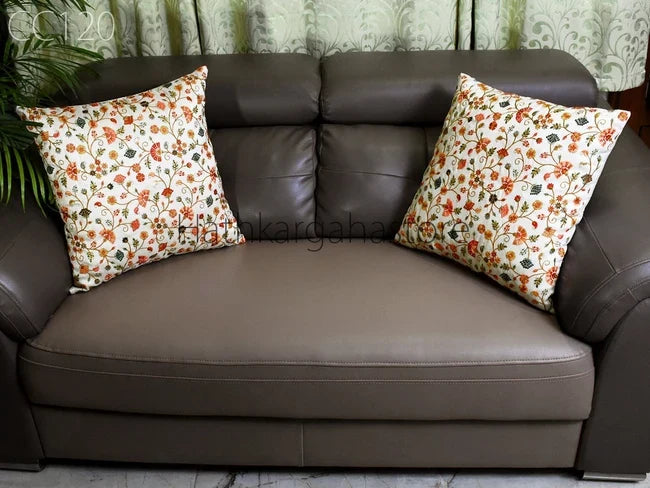
Styling a two-seater sofa
For a smaller sofa, keep the arrangement simple.
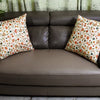
- Place one embroidered cushion at each end.
- Choose complementary colours instead of identical patterns.
- Add one smaller plain cushion if you want another layer of texture.
Styling a three-seater sofa
A three-seater gives you more room to experiment.
- Place two cushions at each end.
- Use embroidered covers as the statement pieces.
- Add plain or textured cushions between them.
- Keep the centre relatively open for a relaxed appearance.
Styling a large sectional sofa
Sectional sofas can accommodate a more generous arrangement.
Try grouping cushions in odd numbers or creating balanced clusters at the corners. Mix different sizes, but maintain a consistent colour palette.
For example, a combination of two embroidered cushions, two plain cushions, and one textured accent cushion can look coordinated without appearing overly formal.
There is no strict rule that every cushion must match. In fact, slight variations in colour, size, and pattern often make an arrangement feel more natural.
5. Choose the Right Embroidered Cushion Cover for Your Interior Style

Your home's overall design should guide your cushion choices. The goal is to enhance the room rather than introduce patterns that feel disconnected from the existing furniture.
Modern minimalist living rooms
Minimalist interiors generally benefit from restraint.
Choose an embroidered cushion cover with subtle stitching, clean geometric patterns, or a limited colour palette. Cream, charcoal, taupe, and muted green are useful options.
One or two embroidered cushions can provide enough visual interest without disturbing the uncluttered look.
Bohemian living rooms
Bohemian interiors welcome colour, pattern, and creative combinations.
Look for floral embroidery, earthy colours, handcrafted details, and varied textures. Combine embroidered cushions with woven throws, natural wood, indoor plants, and patterned rugs.
The result should feel collected over time rather than perfectly coordinated.
Traditional living rooms
Traditional spaces often feature wooden furniture, patterned curtains, decorative rugs, and warm colour schemes.
Rich embroidery, ornamental patterns, and luxurious-looking fabrics can complement these interiors. Choose colours that connect with your existing furniture or accessories.
Contemporary luxury living rooms
For a more refined appearance, focus on quality materials, thoughtful colour combinations, and restrained decoration.
Deep green, burgundy, navy, and warm neutrals work well with elegant embroidery. Pair statement cushions with simple furniture, soft lighting, and carefully selected decorative accessories.
6. Experiment with Cushion Sizes and Shapes
A living room can feel more interesting when cushions vary in size and shape.
Square cushions are the most versatile, but rectangular lumbar cushions and smaller decorative styles can add variety.
Consider the following arrangement:
-
Large square cushions: Place these at the back to create a foundation.
-
Medium embroidered cushions: Use these as the main decorative elements.
-
Small accent cushions: Add these in complementary colours or contrasting textures.
- Rectangular cushions: Position these in front to introduce a different silhouette.
For example, two large neutral cushions paired with two medium embroidered cushions and one small accent cushion can create a layered, inviting sofa.
Make sure the cushion sizes suit your furniture. Oversized cushions may overwhelm a compact loveseat, while very small cushions can look lost on a large sectional.
7. Coordinate Embroidered Cushion Covers with Curtains, Rugs, and Throws
A beautifully styled living room feels connected because its colours and textures work together.
Your embroidered cushion cover does not need to match your curtains or rug exactly. Instead, look for a shared colour, pattern, or material that links the elements.
Here are a few ways to create that connection:
-
With curtains: Repeat a subtle colour from the embroidery in your curtain fabric or tiebacks.
-
With rugs: Choose cushions that pick up one or two colours from the rug's pattern.
-
With throws: Use a plain throw to balance a detailed cushion design.
-
With wall art: Echo a colour from a painting or framed print in your cushion arrangement.
- With furniture: Complement wooden finishes with warm earthy colours or soft neutral embroidery.
For instance, if your rug contains terracotta, cream, and dark green, cushions featuring cream fabric and terracotta embroidery could tie the entire seating area together.
Avoid repeating every pattern throughout the room. A mixture of plain surfaces and decorative textiles usually creates a more comfortable visual balance.
8. Make Your Own Embroidered Cushion Cover
For people who enjoy sewing, crafting, or textile design, making a personalised cushion cover is an opportunity to create something that perfectly suits their home.
A handmade cover also allows you to experiment with materials and decorative details that may not be available in ready-made designs.
Materials you may need
- Suitable base fabric, such as cotton, linen, or another upholstery-appropriate textile.
- Embroidery thread or a pre-embroidered fabric panel.
- A cushion insert in your preferred size.
- Matching sewing thread, a needle, and scissors.
- A zip or buttons for the closure.
- Optional decorative lace, appliqués, or fabric trims.
Simple steps to create your cushion cover
- Choose your design: Decide whether you prefer floral embroidery, geometric motifs, traditional patterns, or a simple decorative border.
- Select the fabric: Consider its texture, durability, colour, and suitability for your cushion insert.
- Measure accurately: Allow enough fabric for the seams and closure.
- Add decorative details: Embroider the fabric before assembling the cover, or use a suitable pre-embroidered panel.
- Sew the cover: Join the fabric pieces carefully and add your chosen closure.
- Finish and inspect: Check the seams, loose threads, and overall fit before inserting the cushion.
Decorative laces and appliqués can help personalise the finished piece. However, make sure embellishments are securely attached and that the finished cushion is practical for its intended use.
Indian Laces and Fabric can be a useful place to explore textile materials and decorative elements when planning creative fabric projects.
9. Refresh Your Living Room with Seasonal Cushion Styling
You do not need to redesign your living room every few months. Changing your cushion covers is a simple way to introduce a seasonal mood.
Spring and summer
Choose lighter colours, floral embroidery, and breathable-looking fabrics. Soft blue, pale yellow, blush pink, and sage green can create a fresh atmosphere.
Autumn
Bring in earthy shades such as rust, burnt orange, mustard, and olive green. Embroidered cushions in these colours work especially well with wooden furniture and warm lighting.
Winter and festive occasions
Deep red, burgundy, emerald green, and gold-accented designs can make the room feel cosy and celebratory. Pair them with textured throws and soft lighting.
Keep a small collection of cushion covers that can be rotated throughout the year. This is a practical way to maintain variety without buying entirely new home décor accessories.
10. Care for Your Embroidered Cushion Cover Properly
Embroidery requires thoughtful care, especially when the design includes delicate threads, metallic details, or decorative trims.
Before cleaning, always check the manufacturer's care instructions.
Follow these practical guidelines:
- Remove loose dust regularly using a gentle method suitable for the fabric.
- Check whether the cover is machine washable, hand washable, or dry-clean only.
- Use a mild detergent when the care label permits washing.
- Avoid harsh scrubbing directly over embroidered areas.
- Do not pull loose threads or cut decorative stitching without assessing the damage.
- Dry the cover according to its care instructions and avoid excessive heat when the fabric or embroidery is delicate.
- Store unused covers in a clean, dry place away from direct sunlight.
If you are making cushion covers for sale, select materials and finishes that suit the intended level of use. Living room cushions may need more frequent cleaning than decorative cushions placed in a formal sitting room.
Conclusion
Styling an embroidered cushion cover is a simple yet effective way to make your living room more beautiful, comfortable, and personal. From choosing complementary colours and combining textures to experimenting with traditional Indian designs, small decorative choices can make a noticeable difference to the atmosphere of your home.
The most successful arrangements balance visual appeal with everyday comfort. Select embroidery that complements your sofa, mix detailed patterns with simpler fabrics, and coordinate your cushions with the room's existing colours and textures. If you enjoy creative projects, you can even make customised cushion covers using suitable fabrics, decorative laces, and embroidery details.
For interior designers, textile enthusiasts, DIY crafters, and homeowners who appreciate distinctive materials, Indian Laces and Fabric offers inspiration for exploring decorative textiles and bringing creative ideas to life.
Ultimately, your living room should reflect the way you want to live and feel. With thoughtfully selected embroidered cushions, you can turn an ordinary seating area into a welcoming space filled with warmth, character, and timeless style.
Frequently Asked Questions
1. How many cushions should I place on my living room sofa?
The ideal number depends on the size of your sofa and your preferred style. A two-seater may look balanced with two or three cushions, while a larger three-seater can accommodate four or five. Start with a simple arrangement and add more only if the sofa still feels comfortable and visually balanced.
2. Which colours work best for an embroidered cushion cover?
Neutral shades such as cream, beige, and grey are versatile choices. If you want more colour, consider terracotta, mustard, navy, emerald green, or burgundy. The best option is one that complements your sofa, rug, curtains, and overall interior palette.
3. Can embroidered cushion covers work in a modern living room?
Absolutely. Choose contemporary embroidery, restrained patterns, or neutral colours for a minimalist or modern space. A single decorative cushion can introduce texture and craftsmanship without making the room feel overly traditional.
4. How can I mix embroidered cushions with plain cushions?
Use embroidered cushions as statement pieces and surround them with plain cushions in complementary colours. You can also combine different textures, such as cotton, linen, velvet, and woven fabrics. Keeping a consistent colour palette helps the arrangement look coordinated.
5. Can I make an embroidered cushion cover at home?
Yes. You can create one using suitable fabric, embroidery thread or an embroidered panel, a cushion insert, and basic sewing supplies. Decorative laces and appliqués can provide additional detail. Choose materials that are appropriate for the intended use and follow safe sewing practices.
Additionally, if you’d like to stay updated on our latest posts, follow us on Instagram.
- Posted in embroidered cushion cover