How to Style an Embroidered Pillow Cover for a Traditional and Modern Home?
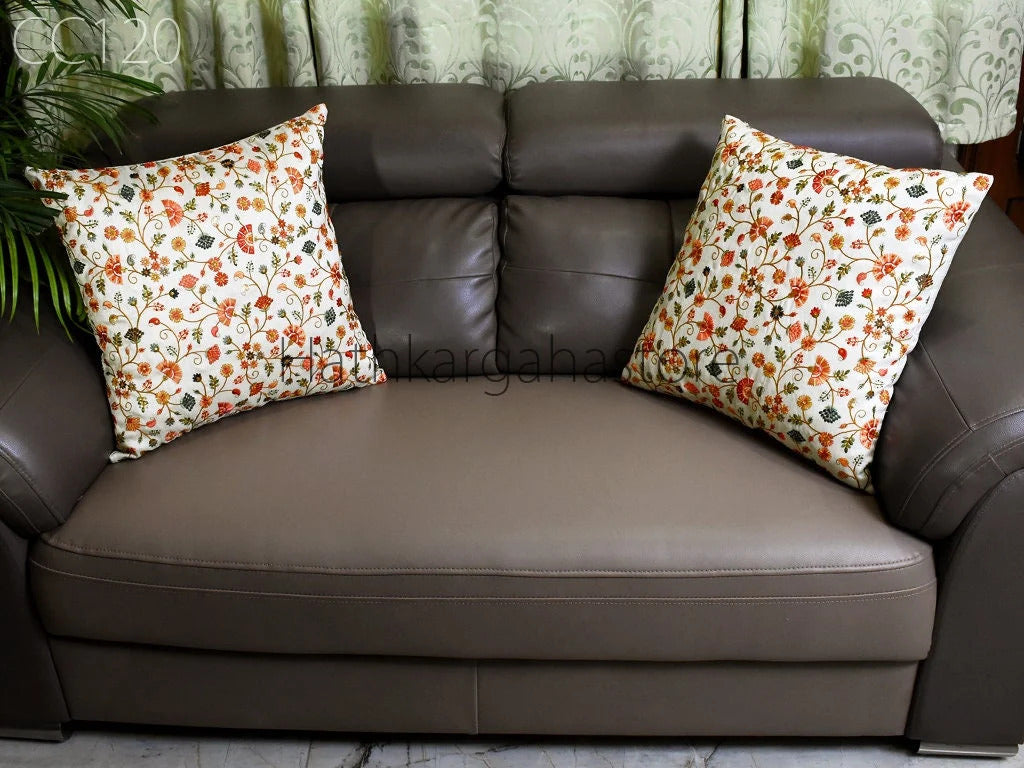
A beautiful home is not always about expensive furniture, elaborate decorations, or perfectly coordinated colors. Sometimes, the smallest details make the biggest difference. A thoughtfully chosen cushion on a sofa, a handcrafted textile on an armchair, or an embroidered accent on a bed can transform an ordinary space into something warm, inviting, and full of personality.
An embroidered pillow cover is one of those timeless decorative pieces that brings together artistry, comfort, and elegance. Whether your home reflects traditional Indian aesthetics, contemporary minimalism, or a combination of both, embroidered pillow covers offer an easy way to introduce texture, color, and character into your interiors.
What makes these decorative pieces particularly special is the craftsmanship behind them. Every embroidered detail, carefully selected thread, and thoughtfully designed pattern contributes to the overall beauty of the fabric. Unlike mass-produced home accessories, embroidered textiles often carry a sense of individuality that makes a room feel more personal.
At Indian Laces and Fabric, the beauty of decorative textiles lies in their ability to make everyday spaces feel extraordinary. With the right styling approach, an embroidered pillow cover can complement traditional wooden furniture, modern sofas, cozy bedrooms, and even minimalist interiors.
Let's explore how to style embroidered pillow covers beautifully while creating a home that feels both timeless and contemporary.
1. Choose an Embroidered Pillow Cover That Matches Your Interior Style
Before decorating your living space, consider the overall personality of your home. The right embroidered pillow cover should complement your existing furniture, color palette, and decorative elements rather than compete with them.
Different embroidery styles create different visual effects.
For traditional interiors, look for:
- Intricate floral embroidery with detailed threadwork.
- Rich colors such as burgundy, emerald green, royal blue, and mustard.
- Decorative patterns inspired by Indian craftsmanship.
- Gold or metallic thread details for a luxurious appearance.
- Textured fabrics that add depth and visual warmth.
For modern interiors, consider:
- Minimal floral or geometric embroidery.
- Neutral shades such as ivory, beige, gray, and soft brown.
- Subtle threadwork with understated patterns.
- Simple designs with carefully placed embroidered details.
- Contemporary color combinations that complement modern furniture.
If your home combines traditional and modern elements, you can experiment with both styles. For example, a neutral sofa paired with richly embroidered cushions creates an attractive contrast without making the room feel overly decorated.
The key is choosing designs that feel connected to your existing surroundings.
2. Style an Embroidered Pillow Cover on a Traditional Sofa

Traditional furniture offers a wonderful opportunity to showcase the beauty of handcrafted textiles. Wooden sofas, carved armchairs, antique benches, and classic upholstery naturally complement embroidered decorative accessories.
An embroidered pillow cover can soften the appearance of heavy wooden furniture while introducing color and intricate detail.
Here are a few styling ideas:
-
Pair with carved wooden furniture: Choose embroidered cushions in warm shades to complement the natural tones of teak, rosewood, or walnut.
-
Introduce traditional patterns: Floral motifs, paisley-inspired designs, and decorative borders can create a beautiful connection with classic interiors.
-
Mix different cushion sizes: Combine square cushions with rectangular lumbar pillows for a more relaxed arrangement.
-
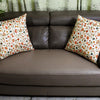
Use contrasting colors: If your sofa has dark upholstery, lighter embroidered cushions can brighten the seating area.
- Add a complementary throw: A textured or decorative throw blanket can complete the arrangement.
Traditional interiors often feature multiple decorative elements, so avoid making every cushion equally elaborate. Allow one or two embroidered pieces to become the focal point.
This creates a balanced arrangement that celebrates craftsmanship without overwhelming the furniture.
3. Bring Modern Elegance to Your Home with an Embroidered Pillow Cover
Many people assume that embroidery belongs exclusively in traditional interiors. However, contemporary home decoration offers plenty of opportunities to incorporate handcrafted textiles.
The secret is selecting an embroidered pillow cover with a design that feels sophisticated rather than overly decorative.
Modern homes generally benefit from simplicity, clean lines, and carefully selected accents. Embroidery can introduce a subtle handcrafted element that makes these spaces feel warmer and more welcoming.
Try these ideas:
- Choose white, cream, taupe, or charcoal pillow covers with delicate embroidery.
- Use geometric patterns to complement contemporary furniture.
- Place one embroidered cushion among plain cushions for understated elegance.
- Select subtle thread colors that blend with your existing upholstery.
- Experiment with textured fabrics to create visual interest without introducing too many colors.
For example, imagine a light gray sofa with three simple cushions and one ivory embroidered pillow cover featuring delicate floral detailing. The embroidery adds personality while preserving the clean appearance of the room.
This approach works particularly well in minimalist apartments, contemporary homes, and open-plan living spaces.
4. Combine Traditional and Modern Designs for a Beautiful Contrast
One of the most interesting ways to decorate your home is by combining different design influences.
Traditional Indian embroidery and contemporary furniture can work beautifully together. In fact, the contrast between handcrafted detailing and modern simplicity often creates a more distinctive interior.
You do not need to completely redesign your living room to achieve this look. A few carefully selected decorative pieces can make a noticeable difference.
Consider these combinations:
-
Modern sofa with traditional embroidery: Place colorful embroidered cushions on a simple beige or gray sofa.
-
Contemporary furniture with floral patterns: Use floral embroidered pillow covers to soften straight furniture lines.
-
Neutral interiors with colorful accents: Introduce one or two vibrant embroidered cushions into an otherwise understated room.
-
Traditional wooden furniture with minimalist cushions: Balance ornate furniture with simple embroidered designs.
- Modern bedroom with ethnic details: Add embroidered cushions to a plain bedspread for a subtle cultural touch.
This styling approach allows you to enjoy the beauty of traditional craftsmanship while maintaining a fresh, contemporary atmosphere.
It also makes decorating more personal because you are not restricted to following just one interior design style.
5. Select the Right Colors for Your Embroidered Pillow Cover
Color plays an important role in how decorative textiles influence a room. Even a beautifully embroidered pillow cover may look out of place if its colors clash with the surrounding furniture.
Instead of selecting cushions randomly, consider how their colors interact with your walls, curtains, flooring, and upholstery.
Here are some combinations worth exploring:
|
Interior color palette |
Recommended embroidered pillow colors |
|
Beige and cream |
Gold, ivory, rust, and soft brown |
|
White and gray |
Navy blue, charcoal, silver, and muted green |
|
Dark wooden furniture |
Mustard, burgundy, olive, and cream |
|
Pastel interiors |
Blush pink, lavender, sage, and light blue |
|
Earthy interiors |
Terracotta, burnt orange, olive, and beige |
|
Black and white interiors |
Emerald, gold, rust, and deep blue |
For instance, if your curtains feature subtle golden details, an embroidered cushion with similar threadwork can create a coordinated appearance.
Remember that matching does not always mean using identical colors. Sometimes, complementary shades produce a more interesting and sophisticated result.
6. Experiment with Different Textures and Fabrics

Beautiful interiors are not created through color alone. Texture is equally important, particularly when decorating spaces with neutral furniture and simple color schemes.
An embroidered pillow cover introduces a tactile element that makes a room feel more layered and inviting.
Different fabrics also create different decorative effects.
Cotton: Cotton pillow covers offer a relaxed, comfortable appearance. They work particularly well in everyday living spaces and casual bedrooms.
Silk: Silk creates a luxurious impression and pairs beautifully with sophisticated furniture and elegant decorative arrangements.
Linen: Linen has a natural, understated texture that complements contemporary, rustic, and minimalist interiors.
Velvet: Velvet adds richness and depth, making it suitable for statement cushions and more luxurious living spaces.
Blended decorative fabrics: Fabric blends can combine different visual and practical qualities, making them useful for a variety of home accessories.
When selecting embroidered textiles, pay attention to both the base fabric and the embroidery itself. The combination determines how the pillow cover looks, feels, and performs over time.
Indian Laces and Fabric celebrates the appeal of exquisite fabric details and decorative textile craftsmanship, making fabric selection an important part of creating beautiful home accessories.
7. Create an Attractive Bedroom with an Embroidered Pillow Cover
Bedrooms should feel comfortable, peaceful, and welcoming. Decorative cushions are an easy way to introduce personality without changing your bedding or furniture.
An embroidered pillow cover can turn a simple bed arrangement into something more thoughtfully styled.
For a traditional bedroom, consider richly embroidered cushions with floral patterns, decorative borders, and warm colors. These details complement wooden beds, traditional furniture, and patterned bedspreads.
For a modern bedroom, choose softer shades and understated embroidery. Ivory, beige, dusty pink, and sage green can create a calming atmosphere.
A few simple bedroom styling tips include:
- Place embroidered cushions in front of your regular sleeping pillows.
- Combine one statement cushion with two smaller decorative cushions.
- Coordinate embroidery colors with your bedspread or curtains.
- Use contrasting textures to make neutral bedding more interesting.
- Avoid overcrowding the bed with too many decorative pillows.
You can also use a single embroidered lumbar pillow as an accent. It creates a refined appearance without making the bed look excessively decorated.
8. Use an Embroidered Pillow Cover to Refresh Small Living Spaces
You do not need a large living room to enjoy beautiful home decoration. Small apartments, studio spaces, and compact seating areas can also benefit from carefully selected embroidered accessories.
In smaller rooms, decorative elements should add personality without making the space appear crowded.
A well-chosen embroidered pillow cover can accomplish exactly that.
Try these practical ideas:
- Add one colorful embroidered cushion to a small accent chair.
- Use neutral embroidery to complement a compact apartment sofa.
- Choose smaller patterns that do not visually overwhelm limited seating areas.
- Place an embroidered cushion on a window seat to create a cozy reading corner.
- Coordinate cushion colors with a nearby rug or decorative wall hanging.
If your room already contains several patterns, choose simpler embroidery. On the other hand, a plain room can accommodate more detailed designs.
The goal is to create visual interest while keeping the space comfortable and uncluttered.
9. Mix and Match Embroidered Pillow Covers Without Overdecorating
Mixing different cushion designs can make your home feel more relaxed and thoughtfully decorated. However, combining too many patterns, colors, and textures can make the arrangement look chaotic.
The easiest way to achieve balance is to follow a simple styling formula.
Consider combining:
- One embroidered statement pillow.
- Two plain cushions in complementary colors.
- One patterned cushion with a smaller or simpler design.
- One textured cushion that adds depth without introducing another strong pattern.
You can also experiment with different shapes. Square cushions create a classic foundation, while rectangular cushions introduce variety.
Another useful approach is to follow a consistent color palette. Even when the embroidery patterns differ, using related colors helps the arrangement feel connected.
For example, a combination of cream, rust, and olive green can bring together floral embroidery, geometric designs, and plain linen cushions beautifully.
There is no need for every cushion to match perfectly. A little variation often makes the arrangement more inviting.
10. Care for Your Embroidered Pillow Cover to Preserve Its Beauty

Beautiful embroidery deserves proper care. Decorative pillow covers often feature delicate stitching, textured fabrics, and intricate threadwork that can become damaged through unsuitable cleaning methods.
Taking a few precautions can help maintain their appearance.
Follow these care recommendations:
-
Check the fabric label: Always follow the manufacturer's washing and care instructions.
-
Avoid harsh detergents: Strong cleaning products may affect delicate fibers and embroidery threads.
-
Use gentle cleaning methods: Handwashing may be suitable for some fabrics, but others require professional cleaning.
-
Protect delicate stitching: Avoid excessive rubbing, twisting, or wringing.
-
Dry carefully: Follow the recommended drying method and avoid unnecessary exposure to direct sunlight.
-
Store properly: Keep unused pillow covers clean, dry, and protected from moisture.
- Rotate decorative cushions: Regularly changing their positions can help reduce uneven wear and fading.
For silk, heavily embellished fabrics, or particularly delicate embroidery, professional cleaning is often the safer option.
A little attention to maintenance can help preserve the craftsmanship and decorative appeal of your favorite textiles.
Why Choose Exquisite Decorative Fabrics from Indian Laces and Fabric?
The beauty of handcrafted textiles lies in their details. From intricate threadwork to decorative patterns, every element contributes to the character of a finished product.
At Indian Laces and Fabric, the appreciation for exquisite fabrics, embroidery, and decorative textile materials reflects a wider love for craftsmanship and thoughtful design.
Whether you are planning to create personalized cushion covers, refresh your living room, or explore decorative fabric ideas for your next sewing project, choosing quality materials makes a meaningful difference.
When selecting fabrics and embroidery materials for home accessories, consider:
- The quality and durability of the base fabric.
- The appearance and detailing of the embroidery.
- Whether the colors complement your interior.
- The suitability of the fabric for everyday use.
- How easily the finished accessory can be maintained.
Beautiful home accessories do not always need elaborate designs. Sometimes, a simple fabric with carefully crafted embroidery creates the most memorable result.
Conclusion
Styling an embroidered pillow cover is a wonderful way to bring warmth, texture, and personality into your home. Whether you prefer traditional Indian interiors, contemporary minimalism, or a combination of different design influences, embroidered cushions can help create a space that feels uniquely yours.
From decorating traditional wooden sofas to adding subtle elegance to modern bedrooms, these versatile accessories offer endless possibilities. The secret is choosing suitable colors, experimenting with textures, balancing patterns, and allowing beautiful embroidery to stand out naturally.
With thoughtfully selected fabrics and decorative details from Indian Laces and Fabric, you can explore creative ways to bring handcrafted textile beauty into everyday living spaces.
Ultimately, a well-decorated home is not about following every interior design trend. It is about surrounding yourself with pieces that reflect your personality, celebrate craftsmanship, and make everyday moments feel a little more special.
Frequently Asked Questions (FAQs)
1. What is an embroidered pillow cover?
An embroidered pillow cover is a decorative fabric covering featuring stitched patterns, designs, or motifs. It can include floral details, geometric shapes, traditional patterns, or intricate handcrafted threadwork. These covers add texture, color, and personality to sofas, beds, and accent chairs.
2. How do I choose the right embroidered pillow cover for my living room?
Consider your furniture color, interior design style, and existing decorative accessories. Choose richly embroidered designs for traditional interiors and subtle patterns for modern spaces. Make sure the colors complement your sofa, curtains, and other furnishings.
3. Can an embroidered pillow cover work in a modern home?
Absolutely! Modern interiors can look beautiful with embroidered pillow covers featuring minimal floral designs, geometric patterns, and neutral colors. A single embroidered cushion on a contemporary sofa can introduce warmth and handcrafted character without disrupting the minimalist aesthetic.
4. Which fabric is best for embroidered pillow covers?
Cotton, linen, silk, and velvet are popular choices. Cotton and linen offer a relaxed appearance, silk creates a luxurious finish, and velvet adds richness. The best option depends on your preferred style, intended use, and maintenance requirements.
5. How many embroidered cushions should I place on a sofa?
The ideal number depends on your sofa's size and overall design. A smaller sofa may look attractive with two or three cushions, while a larger sofa can accommodate four or five. Mixing embroidered cushions with plain ones helps create a balanced arrangement.
Additionally, if you’d like to stay updated on our latest posts, follow us on Instagram.