Everything You Need to Know About Braids Pipping and Fringes
When a garment looks beautifully finished, it is often the small details that make the biggest impression. A simple neckline can become eye-catching with the right trim, while an ordinary cushion, blouse, saree, handbag, or home furnishing can take on a completely different character with carefully chosen decorative accents. Braids, pipping and fringes are three such details that bring texture, definition and personality to fabric-based designs.
From traditional Indian clothing to contemporary interiors, these decorative trims have long been valued for their ability to add an elegant finishing touch. They can be subtle and refined or bold and expressive, depending on the material, colour, width and placement.
For designers, tailors, fashion enthusiasts and craft lovers, understanding how these trims work makes it easier to select the right embellishment for every project. At Indian Laces and Fabric, the focus is on helping customers discover beautiful fabric trims and decorative materials that complement their creative ideas, whether the goal is a classic Indian aesthetic or a modern statement.
What Are Braids Pipping and Fringes?
Although braids pipping and fringes are often grouped together as decorative trims, each has its own appearance and purpose.
Braids are woven or constructed strips made from threads, yarns, ribbons or other textile materials. They can be flat, corded, metallic, embroidered or highly textured. Braids are frequently used to create borders or decorative lines on garments and accessories.
Piping is a narrow decorative trim, commonly made by covering a cord with fabric or another material. It is particularly useful for defining edges and seams. Piping can make a neckline, sleeve, cushion edge or pocket appear sharper and more structured.
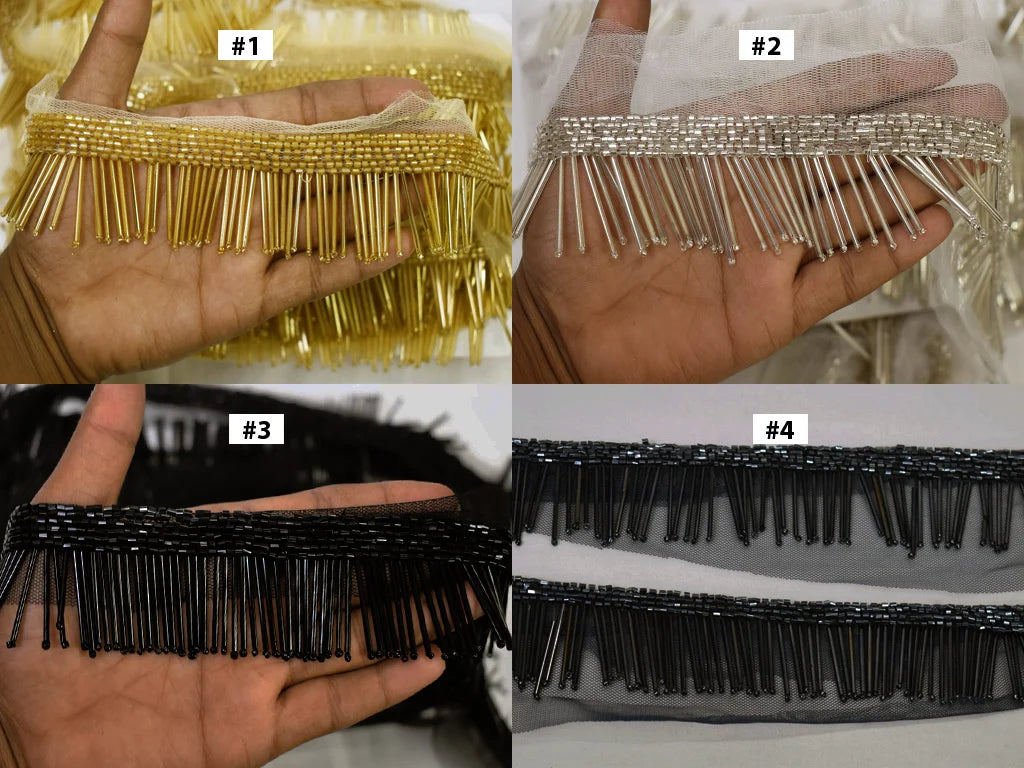
Fringes consist of loose threads, cords, tassels or fibres hanging from a decorative band. They introduce movement and texture and are often associated with luxurious or traditional designs.
Together, these trims provide designers with a wide range of possibilities for enhancing fabric without changing its basic construction.
Why Braids Pipping and Fringes Matter in Fabric Design?

Decorative trims are more than accessories added at the last minute. When selected thoughtfully, they can influence the entire appearance of a finished piece.
Some of their key benefits include:
-
Adding visual interest: Trims break up large areas of plain fabric and create attractive focal points.
-
Defining edges: Piping can give clean definition to necklines, cushions, sleeves and borders.
-
Introducing texture: Braids and fringes create tactile depth that plain fabric may lack.
-
Enhancing traditional designs: Decorative trims work beautifully with Indian embroidery, brocade, silk and embellished textiles.
-
Creating contrast: A contrasting trim can make a simple fabric design immediately more noticeable.
- Improving finishing: The right trim can give a handmade project a polished, professional appearance.
A thoughtfully selected border may be all that is needed to turn a basic design into something memorable.
Braids: A Versatile Choice for Decorative Projects
Braids are particularly popular because they can be used in both traditional and contemporary applications. Their structured appearance makes them suitable for creating borders, patterns and decorative outlines.
Depending on the project, you may find braided trims made with:
- Cotton threads
- Rayon
- Polyester
- Metallic yarns
- Silk-inspired fibres
- Mixed textile materials
- Embellished or embroidered threads
Braids can be sewn around the edges of garments, incorporated into craft projects or used to decorate furnishings.
For example, a richly coloured braid can provide a striking border around a silk blouse. A metallic braid can complement an embroidered saree, while a simple cotton braid may be ideal for casual apparel or handcrafted accessories.
The secret is not simply choosing the most decorative braid. It is choosing one that works with the fabric's weight, texture and overall design.
Piping: Clean Definition With a Decorative Touch
Piping has a slightly different role within braids pipping and fringes. Instead of primarily creating a decorative border, piping is often used to emphasise seams and edges.
It can be particularly effective on:
- Cushion covers
- Sofa upholstery
- Bags
- Jackets
- Blouses
- Dresses
- Pillow covers
- Quilts
- Home décor accessories
One of the strengths of piping is its ability to create visual structure. Imagine a plain cushion in a neutral fabric. Adding piping in a darker or contrasting shade around the edge immediately creates a more defined silhouette.
Similarly, piping around the neckline of a garment can draw attention to the shape without requiring heavy embroidery.
For designers who prefer understated elegance, piping is an excellent way to introduce detail without overwhelming the main fabric.
Fringes: Movement, Texture and Character

Fringes bring something different to the table. Unlike flat trims, they have movement. Even a gentle breeze or slight movement of a garment can make fringe details sway, giving the finished design a lively quality.
Fringes are often associated with:
- Saree and dupatta borders
- Shawls
- Curtains
- Cushion covers
- Table runners
- Throws
- Bags
- Stage and event décor
- Decorative textile crafts
Long fringes can create a dramatic, luxurious appearance, while shorter fringes can offer a neat decorative finish.
Colour is especially important when choosing fringe. A matching shade produces a coordinated appearance, while a contrasting colour can create a statement border.
How to Choose Braids Pipping and Fringes for Your Project?
Choosing decorative trim should begin with the fabric rather than the trim itself. A beautiful embellishment can still look out of place if it does not suit the material.
Consider these factors before making your selection:
1. Match the Fabric Weight
Heavy brocade or upholstery fabric can usually support substantial trims, while lightweight fabrics may look better with finer decorative details.
A thick fringe attached to delicate chiffon, for instance, may distort the fabric. A lightweight braid or fine piping would generally provide better balance.
2. Consider the Colour Combination
You can choose a trim that matches the fabric or deliberately contrast it.
For an elegant appearance, try:
- Tone-on-tone combinations
- Metallic trims with jewel-toned fabrics
- Neutral piping on printed fabrics
- Contrasting borders on plain textiles
Colour should support the design rather than compete with it.
3. Think About the Final Use
A trim for a wedding outfit may be very different from one selected for everyday clothing or home furnishings.
For formal apparel, intricate metallic or embroidered trims can create a luxurious finish. For everyday projects, simpler cotton or synthetic trims may be more practical.
4. Pay Attention to Scale
The width of the trim matters. A very narrow braid may disappear against a heavily patterned textile, while an oversized fringe can dominate a delicate design.
Before purchasing, imagine how the trim will look once attached to the entire piece—not just when viewed on its own.
Braids Pipping and Fringes for Indian Traditional Wear
Indian textiles provide an especially rich canvas for decorative trims. Fabrics such as silk, brocade, velvet and embroidered textiles can be enhanced with carefully selected borders and finishing details.
Braids pipping and fringes can be used on traditional clothing such as:
- Sarees
- Blouses
- Dupattas
- Lehenga skirts
- Anarkali dresses
- Shawls
- Kurtas
- Traditional jackets
For example, a richly woven braid can emphasise the border of a dupatta, while delicate piping can add definition to a blouse neckline. Decorative fringe can provide an elegant finish to a shawl or dupatta.
The beauty of these details lies in their flexibility. They can complement intricate embroidery or provide interest to an otherwise minimal design.
Braids Pipping and Fringes for Home Décor
The usefulness of these trims extends well beyond clothing. Interior designers and craft enthusiasts frequently use decorative textile accents to give home furnishings a more finished appearance.
Fringes can add softness and movement to curtains, lampshades and cushions. Piping can sharpen the outline of upholstery, while braided trims can create decorative borders around cushions and textile accessories.
Some popular applications include:
- Cushion and pillow covers
- Curtains
- Throws
- Upholstered furniture
- Table linens
- Wall hangings
- Decorative runners
- Fabric storage baskets
When used consistently throughout a room, matching or coordinating trims can help create a cohesive visual theme.
How to Use Braids Pipping and Fringes Without Overdoing It?

One of the easiest mistakes with decorative trims is using too much of a good thing.
If the fabric already features heavy embroidery, sequins or elaborate patterns, a subtle trim may be enough. On the other hand, a plain fabric can often handle a more noticeable border.
A useful approach is to choose one main decorative feature and let the other details support it.
For example:
- Use a bold braid with simple piping.
- Pair an embroidered fabric with a delicate fringe.
- Use contrasting piping on a patterned cushion.
- Add a statement fringe to an otherwise plain shawl.
- Combine metallic braid with understated fabric for an elegant finish.
Good design is often about balance rather than adding as many details as possible.
Caring for Decorative Trims
The care required for braids pipping and fringes depends on the materials used. Before washing or cleaning a finished item, check whether the trim is suitable for the same care method as the base fabric.
For delicate trims:
- Avoid unnecessary rubbing.
- Handle fringes gently to prevent tangling.
- Store embellished fabrics away from excessive moisture.
- Follow the recommended washing instructions.
- Keep metallic or delicate trims protected from harsh chemicals.
- Straighten fringe gently rather than pulling individual strands.
Proper care can help preserve the colour, shape and texture of decorative trims for longer.
Why Choose Indian Laces and Fabric?
Finding the right decorative trim is an important part of creating a beautiful finished textile project. Indian Laces and Fabric brings together a selection of fabric embellishments designed to help makers, designers and businesses add distinctive finishing touches to their creations.
From decorative borders to intricate trims, the right embellishment can complement the richness of Indian textiles while giving contemporary designs their own personality. For anyone looking for beautiful fabric details alongside silk brocade fabrics and Indian embroidery trims, choosing a supplier with an appreciation for textile craftsmanship can make the creative process much easier.
Whether you are developing garments, refreshing home décor or working on a handmade project, exploring different textures and finishes can open up countless design possibilities.
Conclusion
The smallest textile details can sometimes have the greatest visual impact. Braids pipping and fringes offer designers a simple yet creative way to introduce colour, texture, definition and movement into garments, accessories and home décor.
Whether you are working with luxurious silk brocade, embroidered fabric or a simple everyday textile, the right trim can bring the design together. Braids can create beautiful borders, piping can sharpen edges and fringes can add a graceful sense of movement.
At Indian Laces and Fabric, these decorative possibilities become part of the creative journey. With the right fabric and thoughtfully selected trims, even a straightforward project can develop a distinctive character—one beautiful detail at a time.
Frequently Asked Questions About Braids Pipping and Fringes
What is the difference between braids, piping and fringes?
Braids are generally woven decorative strips, piping is commonly a corded trim used around seams and edges, and fringes feature hanging threads or cords that create texture and movement.
Can braids pipping and fringes be used on clothing?
Yes. They can be used on sarees, blouses, dupattas, lehengas, jackets, shawls and many other garments. The appropriate trim depends on the fabric and the desired style.
Are fringes suitable for home décor?
Absolutely. Fringes can add character to cushions, curtains, throws, table runners and upholstered furnishings.
How do I choose the right trim for my fabric?
Consider the fabric's weight, colour, pattern, texture and intended use. The trim should complement the material rather than overpower it.
Can piping be used on cushions?
Yes. Piping is widely used around cushion edges because it creates a clean, defined outline and gives the finished piece a more tailored appearance.
Are decorative trims suitable for handmade projects?
Yes. Braids, piping and fringes are excellent for handmade projects because they can transform relatively simple fabric into a more distinctive finished design.
Additionally, if you’d like to stay updated on our latest posts, follow us on Instagram.
- Posted in braids pipping and fringes