Best Embroidery Trims for Clothing, Home Décor and Creative Projects
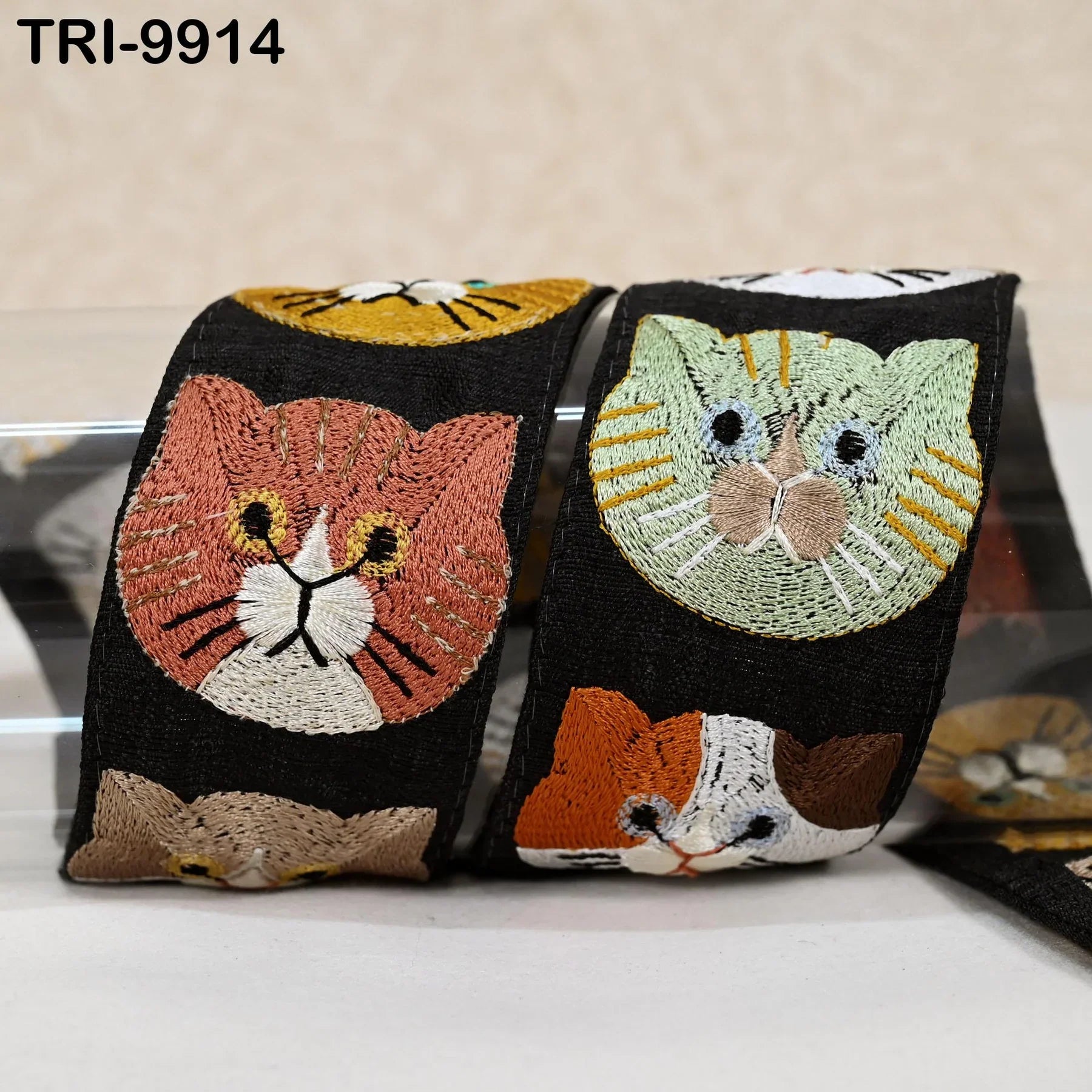
A beautiful piece of fabric can stand on its own, but sometimes it needs one more detail to become truly memorable. That is where embroidery trims make a difference. A carefully chosen trim can turn a simple garment into an eye-catching statement piece, add character to home décor, or give a handmade project the polished finish it deserves.
From delicate floral borders and intricate Indian motifs to richly embellished decorative accents, embroidery trims offer endless possibilities for designers, dressmakers, interior decorators, crafters, and anyone who enjoys working with beautiful textiles.
At Indian Laces and Fabric, the appeal of these trims lies in their craftsmanship. They are not simply decorative strips added at the end of a project. The right trim can frame a design, introduce texture, highlight colour, and bring together different elements of a textile composition.
Whether you are embellishing clothing, refreshing your interiors, or exploring your next creative project, understanding how to choose and use embroidery trims can help you achieve a more distinctive result.
Why Embroidery Trims Are So Popular?
Textile design is often about the details. A small border along a neckline, a decorative edge on a cushion, or an embroidered accent on a sleeve can completely change the appearance of an otherwise simple piece.
Embroidery trims are especially versatile because they can work with many different materials, including silk, cotton, linen, velvet, brocade, and blended fabrics.
Some of the reasons designers choose them include:
- They add texture and visual depth.
- They can highlight specific areas of a garment or textile.
- They make plain fabrics more distinctive.
- They can complement traditional and contemporary designs.
- They are suitable for both large and small creative projects.
- They allow designers to introduce colour without changing the main fabric.
- They can provide an elegant finished edge to textile projects.
The beauty is that you do not always need a heavily embellished fabric. Sometimes, a restrained trim placed in exactly the right position creates a much more sophisticated result.
Embroidery Trims for Clothing
Clothing is one of the most popular applications for embroidery trims. A beautifully embroidered border can add personality to a dress, blouse, jacket, skirt, saree, dupatta, or traditional Indian outfit.
The key is to consider the garment as a whole. The trim should enhance the fabric rather than compete with it.
Embroidery Trims for Necklines and Sleeves
Necklines and sleeves are natural places for decorative detailing because they draw attention toward the face and upper body.
A narrow embroidered trim can be sewn around a neckline for a subtle finish, while a wider border can create a stronger decorative statement.
Sleeve cuffs can also benefit from embroidery. A simple blouse, for example, can take on an entirely different character when an intricate floral trim is added around the cuffs.
Embroidery Trims for Sarees and Dupattas
Traditional Indian clothing provides countless opportunities for decorative borders.
Embroidery trims can be used along:
- Saree borders
- Dupatta edges
- Lehenga hems
- Blouse sleeves
- Waistbands
- Jacket openings
- Anarkali hems
- Kurta cuffs
For richly woven fabrics such as silk brocade, the trim should complement the existing pattern, colour, and texture. A thoughtfully coordinated border can make the overall outfit look cohesive without overwhelming the fabric.
Embroidery Trims for Home Décor
The usefulness of embroidery trims extends far beyond fashion. They can also bring warmth, craftsmanship, and individuality into interiors.
Plain home textiles can sometimes feel unfinished. Adding a decorative trim can give them a more considered appearance without requiring a complete redesign.
Embroidery Trims for Cushions and Pillows
Cushions are an easy place to experiment with textile embellishment.
A decorative embroidered border can be added around the edge of a cushion cover, while a smaller motif can be positioned in the centre. When combined with fabrics such as silk, velvet, or brocade, the result can feel especially luxurious.
For example, a plain cushion in a deep jewel tone can be transformed with a contrasting floral embroidered border.
Embroidery Trims for Curtains and Drapery
Curtains offer a larger canvas for decorative textile details.
A wide embroidered trim can be placed along the bottom edge, while a narrower version can be used vertically along the sides.
This approach works particularly well when the trim shares at least one colour with the curtain fabric or surrounding décor.
Rather than covering an entire curtain with decoration, using embroidery trims selectively can create a more refined appearance.
Embroidery Trims for Table Linens
Table runners, placemats, napkins, and decorative tablecloths can also benefit from embroidered detailing.
A delicate border can make everyday table linens feel more special, particularly for festive occasions, celebrations, weddings, or traditional gatherings.
Embroidery Trims for Creative and DIY Projects
One of the most exciting things about embroidery trims is that they are not limited to conventional sewing projects.
Creative makers can use them in unexpected ways to personalise accessories, gifts, and decorative objects.
Some ideas include:
- Embellishing handbags and fabric totes
- Decorating scarves
- Adding borders to handmade journals
- Creating decorative fabric panels
- Refreshing old garments
- Embellishing lampshades
- Decorating gift bags
- Creating textile wall art
- Adding details to handmade dolls or soft toys
- Customising denim jackets and other casual clothing
A small amount of trim can be enough to give an old item a completely different personality.
Choosing Embroidery Trims by Fabric Type

Not every trim works equally well with every fabric. This is one of the most important considerations when planning a textile project.
Embroidery Trims for Silk and Brocade
Silk and brocade already have a rich visual presence, so complementary trims often work better than competing designs.
Consider:
- Metallic accents for formal projects
- Floral patterns for traditional designs
- Tone-on-tone trims for understated elegance
- Rich contrasting colours for statement pieces
When working with luxurious fabrics, quality matters. A poorly matched trim can make the entire project feel visually unbalanced.
Embroidery Trims for Cotton and Linen
Cotton and linen offer more freedom for experimentation. Depending on the project, you can choose delicate floral borders, colourful patterns, geometric designs, or more heavily embroidered trims.
These fabrics work particularly well for home décor, casual clothing, crafts, and creative projects.
Embroidery Trims for Velvet
Velvet has a deep texture, so embroidered detailing can create an especially dramatic effect.
For eveningwear, decorative cushions, accessories, or festive interiors, a richly textured trim can work beautifully against velvet.
How to Choose the Right Embroidery Trims?
With so many styles available, choosing a trim can initially feel overwhelming. Instead of selecting one simply because it looks beautiful on its own, think about how it will interact with the rest of your project.
Here are several factors to consider:
1. Consider the Main Fabric
Start with the fabric rather than the trim. Look at its colour, weight, texture, and pattern.
A highly detailed fabric may need a simpler trim, while a plain fabric can handle a more elaborate border.
2. Match the Colour Carefully
The trim does not necessarily need to match the fabric exactly.
In many cases, complementary or contrasting colours create greater visual interest.
However, there should still be some connection between the colours so the finished piece feels intentional.
3. Think About Scale
The width of your embroidery trims should suit the size of the project.
A very wide border might overwhelm a delicate blouse, while an extremely narrow trim could disappear on a large curtain or decorative panel.
4. Look at the Embroidery Detail
Examine the motifs closely. Floral, paisley, geometric, traditional, and contemporary patterns each create a different mood.
For traditional Indian-inspired projects, intricate floral or ornamental designs can work particularly well.
5. Consider How the Trim Will Be Used
A trim for a wedding garment may have very different requirements from one intended for a children's craft project.
Think about durability, washing, handling, and how frequently the finished item will be used.
How to Use Embroidery Trims Without Overdoing the Design?

More decoration does not always mean a better design.
One of the most common mistakes is adding too many competing details. If the fabric already contains an elaborate print or weave, covering every available edge with embroidery can make the final piece look crowded.
Instead, choose one or two areas to highlight.
For example:
- Add a border only to the hem.
- Frame a neckline with a narrow trim.
- Highlight sleeve cuffs.
- Use a decorative strip down the side of a cushion.
- Place an embroidered border around a textile panel.
This creates visual hierarchy. The eye knows where to look, and each decorative element has room to be appreciated.
Why Quality Matters When Buying Embroidery Trims?
Decorative trims may appear small compared with the main fabric, but their quality can have a surprisingly large impact on the finished product.
Look for embroidery that is:
- Neatly constructed
- Consistent in pattern
- Suitable for the intended fabric
- Appropriate in weight
- Carefully finished at the edges
- Rich in detail without looking poorly defined
For designers and businesses purchasing materials regularly, consistency is particularly important. The appearance of a trim should remain dependable from one project to the next.
At Indian Laces and Fabric, the focus is on distinctive textile materials that help designers bring traditional craftsmanship and decorative character into their projects. As a destination for beautiful fabrics and Indian embroidery trims, the collection can be useful for everything from fashion embellishment to creative textile applications.
Embroidery Trims and the Beauty of Indian Craftsmanship
Indian textiles have a long history of using colour, pattern, texture, and ornamentation to tell visual stories. Embroidery is an important part of that tradition.
Modern designers can draw inspiration from these techniques while creating pieces that feel contemporary.
That balance between heritage and modern creativity is one of the most appealing aspects of Indian textile embellishment. A traditional floral motif, for instance, can look equally at home on a classic garment, a modern accessory, or a contemporary home décor piece.
The result is not simply decoration. It is a connection between craftsmanship and personal expression.
Tips for Working With Embroidery Trims
Before beginning your project, a little preparation can prevent unnecessary mistakes.
Keep these practical tips in mind:
- Measure the area before purchasing the trim.
- Order enough material to account for cutting and pattern matching.
- Test the trim on a fabric sample first.
- Check whether the trim is washable if the finished item will need regular cleaning.
- Consider seam placement before cutting.
- Use suitable thread and stitching methods.
- Avoid stretching the trim while attaching it.
- Store unused trims flat or carefully rolled to protect their shape.
- Keep samples of successful fabric-and-trim combinations for future projects.
Taking these extra steps can make the difference between a trim that looks simply attached and one that appears naturally integrated into the design.
Final Thoughts on Embroidery Trims
The right embroidery trims can transform a textile project without changing its entire foundation. A simple fabric can gain personality, a traditional outfit can become more distinctive, and an ordinary cushion or accessory can acquire a handcrafted feel.
The secret is not simply choosing the most elaborate trim. It is choosing one that understands the fabric, the purpose of the project, and the mood you want to create.
Whether you are designing clothing, decorating your home, or experimenting with a new creative project, embroidered borders and decorative accents give you another way to express your individual style.
For those looking for beautiful textile embellishments alongside distinctive fabrics, Indian Laces and Fabric brings together the character of Indian craftsmanship with possibilities for modern creative work. With the right combination of fabric, colour, texture, and embroidery trims, even a small detail can become the part everyone remembers.
FAQs About Embroidery Trims
What are embroidery trims?
Embroidery trims are decorative textile strips featuring embroidered patterns, motifs, borders, or embellishments. They can be sewn onto garments, accessories, home textiles, and craft projects.
Where can embroidery trims be used?
They can be used on sarees, dresses, blouses, jackets, dupattas, cushions, curtains, table linens, handbags, scarves, textile art, and many DIY projects.
Can embroidery trims be used with silk?
Yes. Embroidered trims can work beautifully with silk, particularly when their colour, weight, and decorative style complement the silk fabric.
How do I choose embroidery trims for clothing?
Consider the garment's fabric, colour, pattern, weight, and overall style. The width and level of detail should also be appropriate for the area being decorated.
Are embroidery trims suitable for home décor?
Absolutely. They can be used to decorate cushions, pillow covers, curtains, table runners, lampshades, fabric panels, and other interior textiles.
Additionally, if you’d like to stay updated on our latest posts, follow us on Instagram.
- Publié dans embroidery trims, Indian embroidery trims