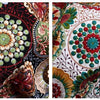
Best Embroidery Borders 2-4 Inch for Sarees, Blouses, and Home Decor

Embroidery has a special way of transforming ordinary fabric into something memorable. A simple saree becomes more elegant with a beautifully decorated edge, a plain blouse gains character with intricate detailing, and even a basic cushion cover can look thoughtfully designed with the right trim. Sometimes, the smallest detail makes the biggest difference, and embroidery borders are a perfect example.
For sewing enthusiasts, fashion designers, boutique owners, and DIY lovers, choosing the right border is about more than appearance. Width, color, embroidery style, fabric compatibility, and placement all influence the finished look. Embroidery borders 2-4 inch wide are particularly versatile because they offer enough space for decorative patterns without overwhelming the fabric.
At Indian Laces and Fabric, embroidery lovers can explore fabric embellishments and decorative trims that inspire traditional outfits, contemporary fashion, and creative home projects. Whether you're planning a festive saree, designing a statement blouse, or refreshing your living space, the right embroidered border can help bring your vision to life.
In this guide, we'll explore how to choose, style, and use embroidery borders measuring 2–4 inches for different sewing and decorating projects.
Why Choose Embroidery Borders 2-4 Inch for Your Projects?
Border width plays an important role in the overall design. A narrow trim adds a subtle finishing touch, while a wider embroidered border creates a noticeable decorative feature.
Embroidery borders measuring 2–4 inches strike a practical balance between these two options. They provide enough room for floral arrangements, paisley motifs, geometric patterns, beads, sequins, and other decorative details.
Here are a few reasons to consider this width:
-
Versatile styling: Suitable for sarees, blouses, lehengas, dupattas, curtains, cushion covers, and table linens.
-
Visible detailing: Wider embroidery allows intricate motifs to stand out against the base fabric.
-
Creative flexibility: You can use the border along an edge, around a neckline, or as a decorative panel.
-
Traditional and modern appeal: Depending on the pattern, these borders can complement ethnic clothing or contemporary interiors.
- Easy design coordination: They can add a focal point to plain fabrics or complement other embroidered elements.
The best width depends on the project. A 2-inch border may suit a delicate blouse sleeve, while a 4-inch design can create a more dramatic effect along a saree's lower edge.
Best Embroidery Borders 2-4 Inch for Sarees

A saree's border often defines its personality. It can introduce color, highlight the fabric's texture, and connect the entire outfit with its blouse and accessories.
When choosing embroidery borders 2-4 inch for sarees, consider the occasion, the weight of the saree fabric, and the amount of decoration already present.
1. Floral Embroidery Borders for an Elegant Saree
Floral embroidery remains a favorite because it complements a wide range of fabrics and occasions. Small flowers create a delicate appearance, while larger blooms give the saree a richer, more expressive finish.
Floral borders work particularly well with chiffon, georgette, cotton, silk blends, and other fabrics, provided the embroidery's weight is suitable for the material.
Try these combinations:
- A gold floral border on a deep maroon saree for festive occasions.
- A pastel floral trim on a lightweight saree for daytime events.
- A colorful embroidered border on a plain cotton saree for an artistic, everyday look.
- A tone-on-tone floral design for understated elegance.
For a balanced outfit, let the border remain the main decorative feature when the saree already has a noticeable print.
2. Traditional Embroidery Borders for Silk Sarees
Silk sarees often call for borders that feel rich and structured. Traditional motifs, ornamental patterns, and metallic embroidery can complement the fabric's natural sheen.
Gold and silver details are popular choices for weddings, celebrations, and cultural occasions. However, the best match depends on the silk's color, texture, and overall design.
Before attaching a heavier border, check whether the saree can support its weight. Lightweight silk blends may need a less dense trim, while sturdier fabrics can accommodate more elaborate embellishments.
A carefully selected border can refresh a simple silk saree or help coordinate an existing saree with a new blouse.
3. Contemporary Embroidery Borders for Everyday Sarees
Not every saree needs elaborate ornamentation. Minimalist borders with clean lines, small geometric shapes, or understated floral details can give everyday outfits a polished appearance.
A 2-inch border is often a good starting point for a subtle finish. Choose colors that complement the saree rather than compete with its print.
For example, a cream embroidered border can soften a dark cotton saree, while a contrasting blue or green trim can bring fresh energy to a neutral design.
Embroidery Borders 2-4 Inch for Blouses and Sleeves

Blouses offer plenty of opportunities to experiment with embroidered trims. A well-placed border can transform a simple design into a statement piece without requiring extensive embroidery across the entire garment.
1. Embroidery Borders for Necklines
A neckline border can frame the face and draw attention to the blouse's shape. Depending on the design, you can apply embroidery around a round neck, square neckline, boat neck, or selected portions of a deeper neckline.
For smaller necklines, a narrower border may be easier to shape neatly. Wider designs can work beautifully on broader necklines or when used as part of a coordinated front-panel design.
Before stitching, pin the border in place and check the neckline from the front. The pattern should follow the curve smoothly without bunching or creating unwanted folds.
2. Embroidery Borders for Sleeves
Sleeve edges are ideal for decorative borders because they offer a clearly defined area for embellishment.
Consider these styling ideas:
- Add a 2-inch floral border to short sleeves for a delicate finish.
- Use a 3-inch embroidered trim on elbow-length sleeves for more visual interest.
- Choose a 4-inch statement border for wide sleeves or a festive blouse design.
- Coordinate the sleeve border with the saree's edging for a cohesive outfit.
Keep the sleeve's proportions in mind. A very wide border on a narrow sleeve may look crowded, while a wider sleeve can provide enough room for larger motifs.
3. Embroidery Borders for Bridal and Festive Blouses
Bridal and festive blouses often feature intricate embroidery, metallic threads, beads, or sequins. A decorative border can tie these elements together and create a more complete design.
For a coordinated finish, match one or two details from the saree, such as its dominant color, metallic accents, or floral motif. You don't necessarily need an exact match; complementary colors and similar design elements can be just as effective.
If the border contains heavy embellishments, use a stable base fabric and reinforce the attachment where necessary. This helps the garment retain its shape during wear.
Embroidery Borders 2-4 Inch for Home Decor

Embroidered borders aren't limited to clothing. They can also bring texture, color, and personality to everyday interiors.
A small decorative addition can make a cushion cover feel custom-made or give plain curtains a more finished appearance.
1. Embroidery Borders for Cushion Covers
Cushion covers are excellent projects for experimenting with decorative trims. A floral or geometric embroidered border can frame the cushion, accent a central panel, or highlight selected edges.
For a balanced design:
- Use a contrasting border against a plain cushion cover.
- Match the embroidery to a color already present in your curtains or rugs.
- Apply the border along one edge for a modern accent.
- Frame all four edges when you want a more traditional look.
Choose a border that can withstand the cushion's intended use. Dense embellishments may be better suited to decorative cushions than pieces that receive frequent handling.
2. Embroidery Borders for Curtains and Drapes
Curtains provide a larger surface for decorative details. A 2–4-inch embroidered border can add interest along the bottom hem, side edges, or a selected horizontal section.
For a subtle look, coordinate the trim with the curtain fabric. For a bolder effect, choose a contrasting color that complements the room's palette.
Before buying enough material for the entire project, measure each section and calculate the total length required. Include extra material for pattern matching, corners, and trimming.
Also consider the fabric's weight. Heavy embroidery may change how lightweight curtains hang, so select a trim that suits the curtain material.
3. Embroidery Borders for Table Linens
Table runners, placemats, and decorative tablecloths can all benefit from embroidered borders. Floral patterns work well for traditional settings, while geometric designs suit more contemporary spaces.
A border around a table runner creates a defined frame, and a trim along the edges of a tablecloth can make the finished piece look more intentional.
If the item will be washed frequently, check the embroidery's care requirements before purchasing. Delicate threads, metallic details, and embellishments may require gentler cleaning than everyday cotton linens.
How to Choose the Right Embroidery Borders 2-4 Inch?
With so many colors, patterns, and finishes available, choosing a border can feel overwhelming. The easiest approach is to begin with the fabric and the purpose of the project.
1. Consider the Fabric Type
The base fabric determines how well a border will sit and move.
-
Silk and silk blends: Look for borders that complement the fabric's sheen and drape.
-
Cotton: Consider floral, geometric, or traditional embroidery for everyday and festive projects.
-
Chiffon and georgette: Choose lightweight borders that won't pull the fabric downward.
-
Velvet and heavier fabrics: More substantial embroidery may work well if the base fabric supports the weight.
- Home textiles: Select durable trims appropriate for the item's intended use and cleaning routine.
When working with delicate fabrics, test the border on a small, inconspicuous section before completing the project.
2. Match the Border Color to Your Design
Color can either blend the border into the fabric or make it stand out.
A matching border creates a coordinated appearance, while a contrasting trim introduces a stronger visual accent. Metallic gold, silver, ivory, and neutral shades can complement many traditional designs, but the right choice depends on the fabric's color and the occasion.
If the fabric already features several colors, select one existing shade for the border. This simple approach helps prevent the finished design from looking too busy.
3. Select the Right Embroidery Pattern
Think about the mood you want to create. Floral motifs often feel romantic and graceful, paisley patterns evoke traditional craftsmanship, and geometric embroidery can create a more contemporary appearance.
For a heavily printed fabric, choose a simpler border. For plain fabric, a more elaborate design can serve as the focal point.
4. Check the Border's Finish and Construction
A beautiful pattern is only part of the decision. Examine the stitching, edge finish, thread quality, and overall construction.
Look for loose threads, uneven stitching, or embellishments that appear insecure. If possible, check how the border behaves when gently folded, since this can reveal whether it will work around curved garment edges.
For projects that require frequent washing, confirm the recommended care instructions before making your final choice.
How Much Embroidery Border Do You Need?
Accurate measurements help prevent unnecessary material waste and interruptions during sewing.
Use a measuring tape to calculate the length of every edge where the border will be attached. Then add extra material for corners, joins, pattern alignment, and mistakes.
For example:
- A saree's lower edge may require several yards of trim, depending on its length and design.
- A blouse may need separate measurements for the neckline, sleeves, and other decorated sections.
- A cushion cover with four bordered edges requires the combined lengths of all four sides.
- Curtains may require measurements for the bottom edge, side edges, or both.
The exact amount varies with the finished dimensions and placement. Always measure your project rather than relying on a standard estimate.
For repeating motifs, check the pattern repeat before purchasing. You may need additional material to align the design neatly at the seams.
Tips for Sewing Embroidery Borders 2-4 Inch Neatly
Even a beautiful border can look untidy if it isn't attached carefully. A little preparation makes the sewing process easier and improves the finished result.
-
Pre-plan the placement: Lay the border against the fabric and confirm its position before cutting.
-
Check the direction: Make sure directional motifs face the intended way, particularly on saree hems and curtain panels.
-
Secure the trim: Use pins or temporary basting stitches to prevent shifting.
-
Choose a suitable needle: Match the needle to the base fabric and the border's construction.
-
Test the stitching: Try a small sample first to check tension and avoid puckering.
-
Finish the ends carefully: Fold or secure raw edges using a method appropriate for the material.
- Press with care: Follow the fabric's care requirements, and avoid applying direct high heat to delicate embroidery or metallic embellishments.
For curved areas, such as necklines, use a border flexible enough to follow the shape. Some trims may need careful easing or small adjustments to lie flat.
Where to Find Decorative Embroidery Borders?
Finding the right trim starts with knowing what your project needs. Before shopping, identify the desired width, color, pattern, fabric type, and approximate length.
Indian Laces and Fabric offers a destination for exploring decorative fabric materials, embroidery embellishments, and creative textile supplies. Whether you're planning a traditional outfit, updating an existing garment, or creating personalized home decor, look for trims that complement your design and meet your practical requirements.
When comparing options, pay attention to:
- The actual width of the border.
- The embroidery style and color combination.
- The fabric and backing, if applicable.
- The flexibility of the trim.
- Care instructions and suitability for your project.
- The quantity available for your required length.
If you're ordering online, review product photographs and descriptions carefully. Check the stated measurements rather than estimating the width from an image, and contact the seller if an important specification is unclear.
Conclusion
The right border can change the entire character of a fabric project. From an elegant saree hem and a beautifully framed blouse neckline to a decorative cushion cover or a refined curtain edge, embroidery adds texture and personality in a way that feels both creative and practical.
Embroidery borders 2-4 inch wide offer a useful balance between subtle detailing and statement-making design. By considering fabric type, color, pattern, weight, and placement, you can choose a border that enhances your project without overpowering it.
As you explore decorative trims with Indian Laces and Fabric, let your fabric and creative vision guide your choices. Whether you're sewing for a special celebration or adding a personal touch to your home, a thoughtfully selected embroidered border can turn a simple piece of fabric into something you'll be proud to use, wear, or share.
Frequently Asked Questions
1. What are embroidery borders 2-4 inch used for?
Embroidery borders 2-4 inch wide are used to decorate sarees, blouses, lehengas, dupattas, curtains, cushion covers, table runners, and other fabric projects. Their width provides room for decorative motifs while remaining versatile enough for many applications.
2. Which embroidery border width is best for a saree?
The ideal width depends on the saree's fabric, design, and intended use. A 2-inch border can create a subtle finish, while a 3- or 4-inch border provides a more prominent decorative effect. Consider the overall proportions before choosing.
3. Can I use 2–4-inch embroidery borders on blouses?
Yes. These borders can be used around necklines, sleeve edges, and selected decorative panels. Choose a width that complements the blouse's shape and ensure the trim can follow any curves without bunching.
4. Are embroidered borders suitable for home decor?
Absolutely. They can enhance cushion covers, curtains, table runners, decorative linens, and other textile projects. Select a pattern and construction suitable for the item's intended use, particularly if it will be washed or handled regularly.
5. How do I calculate the amount of embroidery border required?
Measure each edge where you plan to attach the border, add the measurements together, and include extra material for corners, seams, pattern matching, and finishing. For garments, measure the actual finished sections rather than estimating from the size of the clothing.
Additionally, if you’d like to stay updated on our latest posts, follow us on Instagram.
- Publié dans embroidery borders 2-4 inch