Indian Pure Silk Fabric: What Makes It Truly Premium?
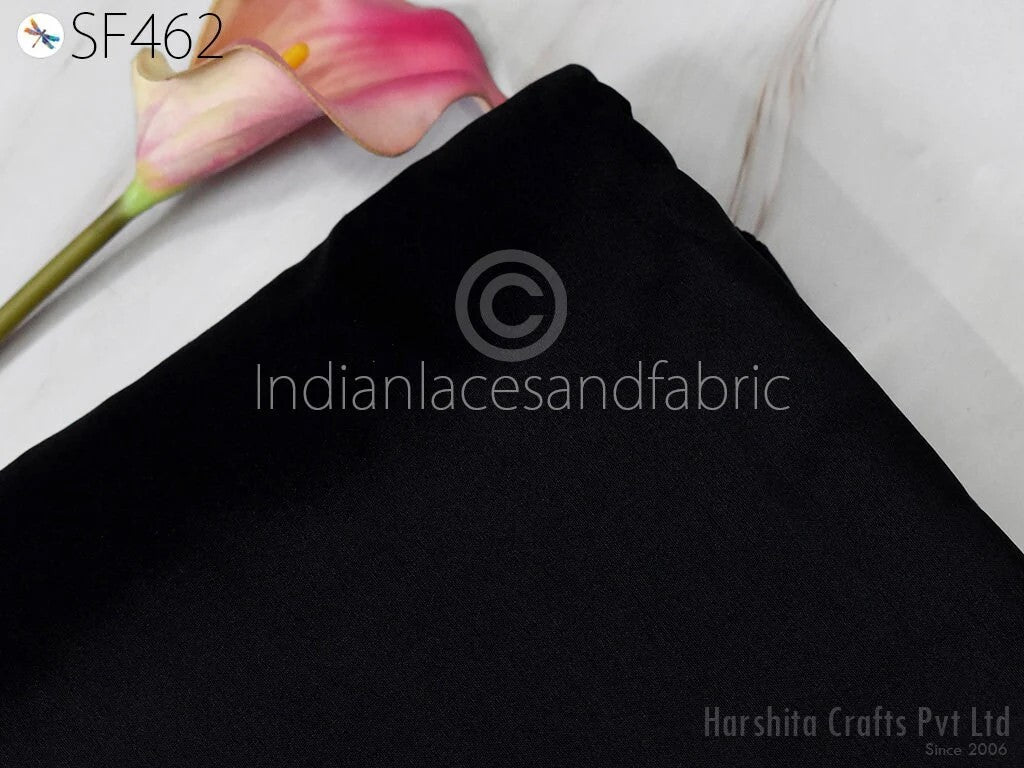
Silk has always held a special place in Indian textile traditions. Its natural lustre, smooth hand-feel, rich colours, and ability to take intricate weaving and embellishment have made it a favourite for generations. But when shopping for silk, one question often comes up: what actually makes a fabric premium?
Not every fabric sold as “silk” offers the same quality, durability, or luxurious finish. For designers, dressmakers, boutique owners, and textile enthusiasts, understanding the difference can make choosing the right material much easier.
Indian pure silk fabric stands apart because of its natural fibre, craftsmanship, texture, and visual depth. When it is combined with traditional Indian weaving techniques, detailed brocade work, or decorative trims, it can become something genuinely exceptional.
At Indian Laces and Fabric, the beauty of Indian textiles is reflected in carefully selected fabrics, including silk materials suitable for traditional clothing, couture projects, decorative applications, and creative designs. As your go-to silk brocade fabric suppliers, we also offer stunning Indian embroidery trims and more for projects that deserve a distinctive finish.
Indian Pure Silk Fabric: What Does “Pure Silk” Really Mean?
The term “pure silk” refers to fabric made from natural silk fibres rather than synthetic fibres such as polyester or nylon.
Silk is produced from the cocoons of silkworms. The resulting fibres are spun into yarn and woven or knitted into fabric. Depending on the type of silk and weaving technique, the finished material can have very different characteristics.
Genuine Indian pure silk fabric is valued for qualities such as:
- A naturally soft and smooth texture
- Distinctive natural sheen
- Excellent drape
- Breathability compared with many synthetic fabrics
- Strong yet delicate-looking fibres
- Beautiful colour absorption
- A luxurious feel against the skin
This combination is what gives silk its reputation as a premium textile.
However, “pure” does not automatically mean that every silk fabric will look or feel identical. The quality of the silk fibre, yarn preparation, weaving, finishing, and craftsmanship all influence the final result.
Indian Pure Silk Fabric: Why Natural Fibre Matters

One of the biggest differences between genuine silk and synthetic alternatives is the fibre itself.
Natural silk has a complex structure that creates its characteristic combination of softness, strength, lustre, and movement. Synthetic fabrics can imitate some of these qualities, but they generally do not reproduce the complete experience of natural silk.
When you hold a high-quality Indian pure silk fabric, you can often notice the difference immediately. It has a particular fluidity and depth that makes it especially appealing for premium garments and textile projects.
Natural silk can also respond beautifully to light. Instead of looking uniformly shiny, quality silk tends to show subtle changes in brightness as the fabric moves.
That visual movement is one reason silk garments can look so striking in photographs as well as in person.
Indian Pure Silk Fabric: The Importance of Weaving and Craftsmanship
Premium silk is not simply about the raw material. What happens during weaving can have just as much influence on the finished fabric.
India has a long history of silk weaving, with different regions developing their own techniques, patterns, motifs, and textile traditions.
For example, silk may be woven with:
- Intricate floral motifs
- Traditional geometric patterns
- Metallic threads
- Repeated ornamental designs
- Brocade patterns
- Rich borders
- Traditional Indian-inspired motifs
The skill of the weaver determines how cleanly these elements appear and how well the fabric maintains its structure.
This is particularly important with silk brocade, where the beauty comes from the interaction between the base fabric and decorative woven patterns. A well-made brocade can have remarkable depth, making even a relatively simple garment feel elaborate.
Indian Pure Silk Fabric: How to Recognise a Premium Quality
Knowing what to look for can help you make a more confident purchasing decision.
When evaluating Indian pure silk fabric, consider these key qualities:
1. Texture
High-quality silk should generally feel smooth and refined. It should not feel excessively plastic-like or stiff in a way that suggests a synthetic imitation.
2. Natural Lustre
Pure silk has a distinctive sheen rather than an overly artificial shine. The appearance can change depending on the direction of the weave and the surrounding light.
3. Drape
Premium silk tends to fall gracefully. Pick up a piece and observe how naturally it moves and folds.
4. Weave Quality
Look closely at the surface. A consistent weave, clean pattern definition, and careful finishing are all positive signs.
5. Colour Depth
Silk is known for its ability to produce rich, sophisticated colours. Quality dyeing should result in an attractive, even appearance without making the fabric look flat.
6. Overall Finish
Look at the edges, surface, pattern alignment, and consistency. Small details often reveal a great deal about how carefully a fabric has been produced.
Indian Pure Silk Fabric: Why Silk Brocade Feels So Luxurious
Silk brocade takes the appeal of silk a step further.
Brocade is known for decorative woven patterns that create a richer, more ornamental surface. Traditionally, brocade fabrics have been associated with festive clothing, formal garments, ceremonial textiles, and luxury interiors.
When silk is used as the base for brocade, the result can be especially impressive.
The combination of:
- Smooth silk texture
- Natural lustre
- Decorative woven motifs
- Intricate patterning
- Rich colours
- Dimensional surface detail
creates a fabric that naturally attracts attention.
This makes silk brocade particularly useful for statement pieces where the textile itself is intended to be part of the design.
At Indian Laces and Fabric, silk brocade fabrics can be paired with Indian embroidery trims to create designs with even greater visual character.
Indian Pure Silk Fabric: Where Can You Use It?
One of the reasons premium silk remains popular is its versatility.
Although it is strongly associated with traditional Indian clothing, it can be used in many contemporary projects too.
Traditional Clothing
Silk is a natural choice for:
- Sarees
- Blouses
- Lehengas
- Salwar suits
- Dupattas
- Kurtas
- Traditional jackets
Its drape and lustre can elevate even relatively straightforward silhouettes.
Bridal and Occasion wear
For weddings and celebrations, fabric choice matters. Silk can provide the luxurious foundation needed for bridal and formal garments.
Brocade silk, in particular, can work beautifully for statement blouses, jackets, skirts, waistcoats, and other structured pieces.
Accessories
Smaller quantities of silk can also be used for:
- Clutches
- Hair accessories
- Decorative bows
- Fabric jewellery
- Gift packaging
- Accent panels
Home Décor
Depending on the particular silk and its construction, it may also be incorporated into decorative projects such as cushions, table accents, wall pieces, or other textile-based creations.
The key is choosing a fabric appropriate for the intended use and handling it according to its care requirements.
Indian Pure Silk Fabric: Pairing It With Indian Embroidery Trims

A beautiful silk fabric does not necessarily need heavy embellishment. Sometimes a carefully selected trim is enough to transform a design.
Indian embroidery trims can add another layer of craftsmanship to silk garments and textile projects.
Consider combining silk with:
- Embroidered borders
- Decorative lace
- Beaded trims
- Metallic embroidery
- Floral borders
- Traditional ornamental trims
For instance, a plain silk blouse can gain an entirely different personality with an intricate embroidered border around the neckline or sleeves.
Likewise, a silk dupatta can become a statement piece when finished with a carefully selected decorative trim.
The secret is balance. If the silk has an elaborate brocade pattern, a simpler trim may work better. If the base fabric is relatively understated, a more detailed embroidered border can provide the focal point.
Indian Pure Silk Fabric: Choosing the Right Fabric for Your Project
The “best” silk is not necessarily the most expensive silk. It is the silk that suits your specific project.
Before purchasing, think about:
What are you making?
A flowing garment requires different characteristics from a structured jacket or decorative item.
How much movement do you want?
For soft, fluid garments, look for silk with an appropriate drape. For structured pieces, a firmer construction may be preferable.
Is the fabric already heavily patterned?
If so, consider whether additional embroidery or trims will enhance the design or make it visually overwhelming.
What colours complement your design?
Silk can look dramatically different under natural and artificial lighting, so colour selection deserves careful consideration.
How will the finished item be cared for?
Always check the specific fabric's care requirements before cutting and sewing.
Taking these factors into account helps you choose fabric based on performance as well as appearance.
Indian Pure Silk Fabric: Why It Remains a Timeless Choice
Fashion trends change constantly, but silk continues to appear in collections, wardrobes, celebrations, and interiors.
There is a reason for that longevity.
Silk has emotional value as well as practical and aesthetic appeal. It is connected with weddings, celebrations, family traditions, craftsmanship, and special occasions. A silk garment often feels different from an everyday garment because the material itself carries a sense of occasion.
And when the fabric is beautifully woven and thoughtfully finished, it does not need to follow a trend to look impressive.
That timeless quality is particularly valuable for designers and makers who want their work to feel considered rather than disposable.
Indian Pure Silk Fabric: Buying From a Specialist Fabric Supplier
Choosing a specialist supplier can make the fabric-buying process easier, particularly when you are looking for distinctive Indian textiles.
A specialist supplier can help you explore fabrics according to:
- Fibre and fabric type
- Colour
- Pattern
- Weave
- Embellishment
- Intended application
- Quantity requirements
At Indian Laces and Fabric, our focus is on bringing together beautiful Indian textiles and decorative materials for customers looking for something beyond ordinary mass-market fabrics.
From silk brocade fabrics to Indian embroidery trims and other textile embellishments, the right combination can help turn a creative idea into a finished piece with personality.
Indian Pure Silk Fabric: The Beauty Is in the Details
Premium silk is not defined by one characteristic alone.
It is the combination of natural fibre, quality yarn, skilled weaving, thoughtful finishing, rich colour, attractive drape, and attention to detail that creates a truly special textile.
That is why choosing Indian pure silk fabric should be about more than simply looking for the word “silk” on a product description.
Feel the fabric. Examine the weave. Look at the lustre. Consider the drape. Think about how the material will work with your design.
And when you add carefully chosen Indian embroidery trims or other embellishments, you can create something that feels genuinely distinctive.
Conclusion: Indian Pure Silk Fabric Is About More Than Luxury
Indian pure silk fabric represents a meeting point between natural beauty and skilled craftsmanship. Its soft texture, graceful movement, distinctive lustre, and ability to showcase detailed weaving make it a valuable choice for designers, makers, and anyone who appreciates fine textiles.
Whether you're creating traditional Indian clothing, contemporary occasion wear, accessories, or decorative pieces, quality silk gives you a strong foundation.
At Indian Laces and Fabric, we understand that great textile design begins with choosing materials that have character. Our selection of silk brocade fabrics, Indian embroidery trims, and other decorative textiles gives creative projects plenty of room to develop their own identity.
When the fabric feels right, the design often follows naturally.
FAQs About Indian Pure Silk Fabric
Is Indian pure silk fabric made from natural silk?
Yes. Pure silk refers to fabric made from natural silk fibres. However, silk quality can vary depending on the fibre, yarn, weaving process, and finishing techniques.
What makes Indian pure silk fabric different from synthetic silk?
Natural silk has a distinctive combination of softness, lustre, drape, and fibre strength. Synthetic materials can imitate some of these characteristics but are made from man-made fibres.
Is Indian pure silk fabric suitable for bridal wear?
Yes. Silk is widely appreciated for bridal and occasionwear because of its luxurious appearance, elegant drape, and ability to showcase rich colours and decorative patterns.
Can silk brocade be combined with embroidery trims?
Absolutely. Silk brocade can be paired with Indian embroidery trims, borders, lace, and other embellishments. The key is choosing combinations that complement rather than compete with the existing pattern.
How should I choose Indian pure silk fabric for my project?
Consider the intended garment or project, desired drape, colour, pattern, weight, texture, embellishment, and care requirements. Choosing based on these factors will help ensure the fabric performs as beautifully as it looks.
Additionally, if you’d like to stay updated on our latest posts, follow us on Instagram.
- Publié dans Indian Pure Silk Fabric